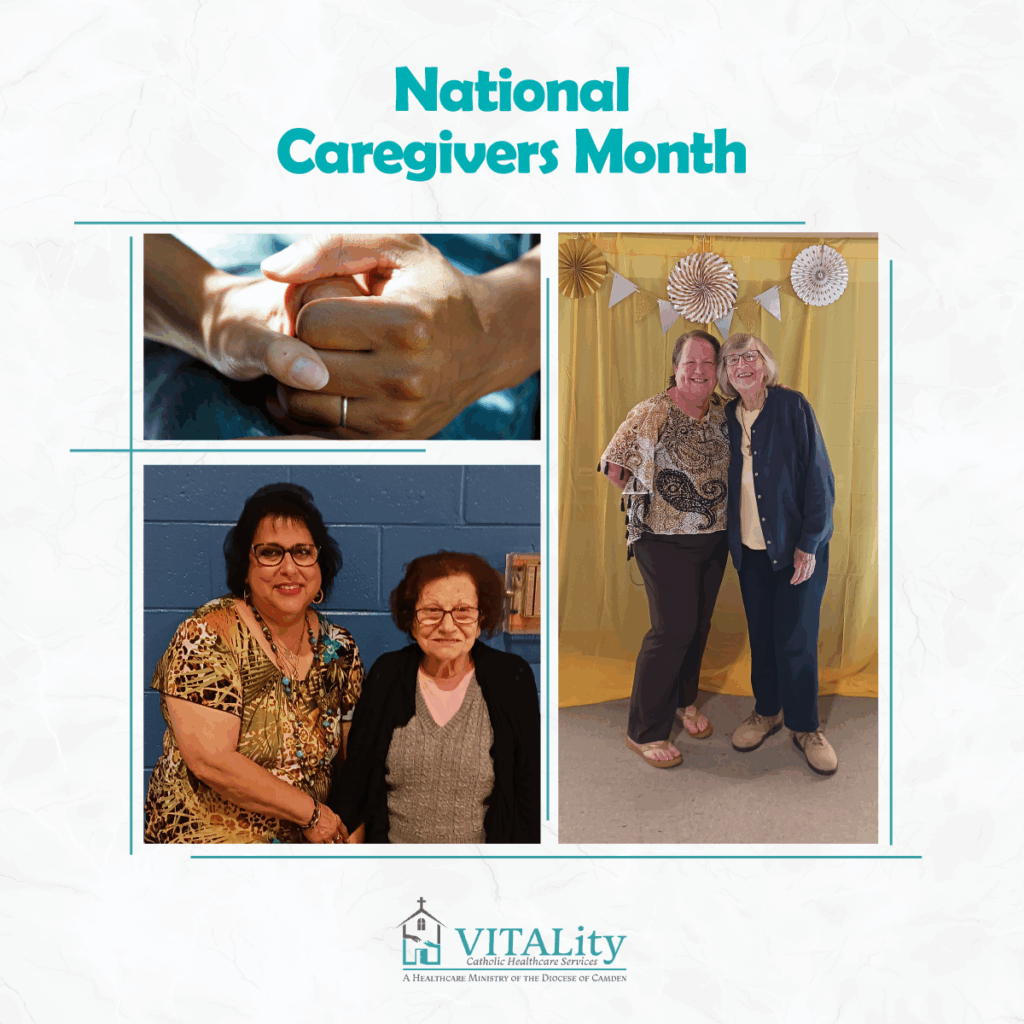
November is National Family Caregivers Month, which brings awareness to the number of individuals supporting a family member or friend with their health needs today. Caregivers may find it difficult to make time for themselves, manage stress and balance caregiving with other areas of their life.
Self-care can replenish a caregiver’s physical, mental and spiritual resources to help regain a sense of self and add renewed joy to life.
Five effective self-care practices for caregivers provided here center on self-awareness, vulnerability, personal time, nutrition and exercise, and prioritizing health.
Identify Your Needs
It’s important for a caregiver to be aware of their own needs in every area of life including family, health, money, home environment, social, personal growth and career. Some needs may be satisfied, but others may be left unattended. When there is a continued imbalance, over time, emotional and physical stress can increase.
Self-care practice: Block 15 minutes or more in quiet to consider personal needs. Write each down. For example: family time or financial guidance.
Ask for Help
It’s been said, “you can’t pour from an empty cup.” Caregivers need help as well. While there is vulnerability in asking for help, it’s an act of courage and self-compassion which can help carry out caregiving responsibilities with less strain and greater joy.
Self-care practice: Identify one need to address first. Brainstorm ways to fill this need, such as asking a family member to visit to allow for a walk outside or contacting a service to help with house chores.
Invest in Personal Time
Scheduling personal time (even if only for 15 minutes) on a regular basis for something you enjoy such as talking with a friend, praying, or being creative can help develop a more positive mindset around caregiving challenges.
Self-care practice: Determine where to find personal time in the day or week and how to use it.
Eat Nutritious Foods, Hydrate and Move
Healthy eating, drinking water and exercising are powerful components in supporting caregivers in mind, body and spirit, and help prevent chronic diseases.
Self-care practice: Replace a nutritious snack or meal for one that is less nutritious. Move around the house more rather than sitting.
Keep Health Appointments
It’s important to honor regular health appointments and screenings to discuss health changes, review prescriptions and talk about any mental health issues with providers.
Self-care practice: Plan ahead by adding all health appointments to a calendar along with an updated list of prescriptions, including over the counter supplements to share with providers.
You are not alone. VITALity Catholic Healthcare Services has many ways to assist caregivers, from connecting to health and wellbeing resources to providing emotional and spiritual support through Stephen Ministry. Call 856-583-6123 or visit vitality.camdendiocese.org.
Christine Willard is the director of marketing and senior ministries for VITALity Catholic Healthcare Services Diocese of Camden.