This month we are expanding our health notes conversation to include health topics outside of the current pandemic. We spoke briefly in the fall about routine screenings and other non-essential health procedures being deferred or rescheduled due to the pandemic. Unfortunately, this included routine screenings for many types of cancer. This is particularly worrisome since routine preventive screening can be the most effective way to prevent and cure cancer.
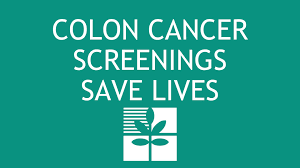
There are many types of cancer we can discuss however the month of March is Colorectal Cancer Awareness month. During this month each year, we take time to draw awareness to this type of cancer which unfortunately is the 2nd leading cause of cancer deaths in this country behind lung cancer. While colorectal cancer related deaths may be ranked 2nd in cancer related deaths, it’s important to note that between 1970-2018, this death rate dropped by 55%. This is primarily due to an increase in screening and better treatment plans as well as changes in other health related risk factor such as a decline in smoking. Did you know that smoking is the most important risk factor for cancer and can be related to approximately 25% of all deaths related to cancer? There are other health related risk factors for cancer as well, they include alcohol consumption, diets that do not include a lot of fruits and vegetables and lifestyles that are not very active.
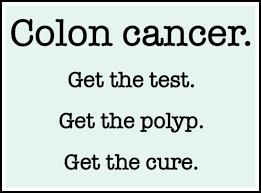
Fortunately, routine screening for colorectal cancer is the most effective way to prevent this type of cancer. Below are some tips about colorectal cancer screening:
- It is recommended that individuals at average risk for colorectal cancer be screened regularly beginning at age 45.
- There are two different types of test options for colorectal screening. One is using stool-based tests and the other is using a visual exam of the colon and rectum. (Speak to your provider to see which type of screening is ideal for you).
- Individuals that are healthy should continue regular colorectal screenings until age 75.
- Individuals who are between the ages of 76-85 should discuss the option to continue regular screenings with their provider to determine what is best for them.
- It is not recommended however that individuals over the age of 85 continue colorectal screening. (Speak with your provider to learn more about this).
How do I know if I am at average or high risk for colorectal cancer?
Individuals who are considered at average risk for colorectal cancer do NOT:
- Have a personal or family history of colorectal cancer or different types of polyps
- Have a personal history of inflammatory bowel disease (IBS), Ulcerative colitis or Crohn’s disease
- Have a confirmed or suspected genetic syndrome such as: hereditary colorectal cancer syndrome or Lynch syndrome. (Speak to your provider if for more information about this risk).
- Have a personal history of receiving radiation to the abdomen or pelvic area for previous cancer treatment.
Individuals who are considered at higher risk for colorectal cancer include those with:
- Certain kinds of polyps or strong family history of colorectal cancer
- Having a personal history of colorectal cancer and kinds of polyps
- Having a family history of IBS, Ulcerative colitis or Crohn’s disease
- Having a known family history of certain genetic syndromes such as: hereditary colorectal cancer syndrome or Lynch syndrome. *Speak to your provider for more information about this risk.
- Having a personal history of receiving radiation therapy to the abdomen or pelvic area for previous cancer treatment.
Approximately 30% of colorectal cancer patients have a family history of this type of cancer. That is why it is important to learn if anyone in your family has had this type of cancer and if so, let your provider know. Even if you do not have a family history of this type of cancer, it is important to be screened for this and many other types of cancer. As was mentioned earlier, screening remains one of the best ways to prevent cancer.