February is widely known as American Heart Month.
Throughout the month, we focus on education to help protect our hearts and stay healthy. The National Heart, Lung and Blood Institute provides information and tips for you to review and discuss with your doctors on what changes you may be able to make to improve your heart health.
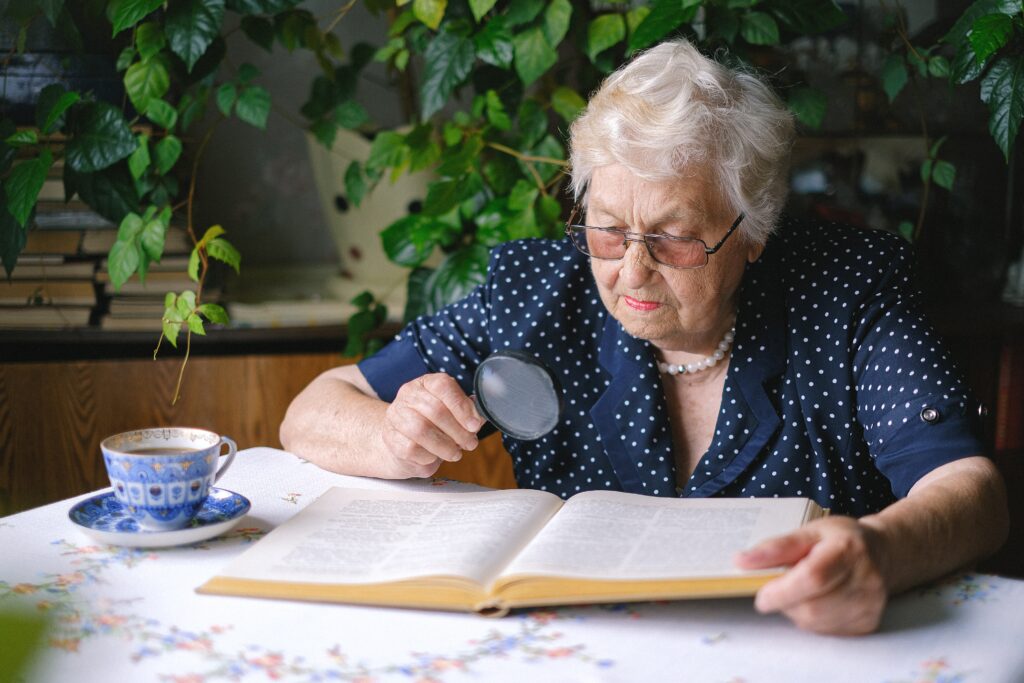
February is also Low Vision Awareness Month. Low vision is a group of eye conditions where vision cannot be restored or fully corrected with eyeglasses, contact lenses, medication, or surgery.
Low Vision
Certain eye condition if left untreated can lead to low vision:
- Age-related macular degeneration (AMD)
- Cataracts
- Diabetic eye disease
- Glaucoma and others
People with low vision may have difficulty recognizing colors whether it be in their clothing choices or even not recognizing familiar faces. Reading, cooking, and identifying street signs may also be difficult. This can result in daily activities becoming challenging which can be frustrating.
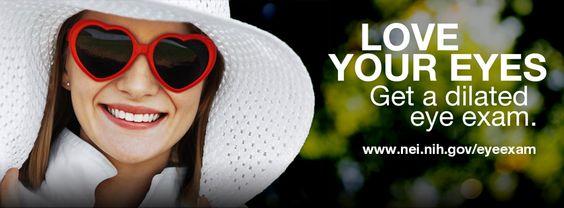
This is why it’s important to have a dilated eye exam by an optometrist or ophthalmologist every 1 to 2 years. This is the best way to determine if you have low vision. Early detection is key so the sooner low vision is diagnosed, the greater the chances of retaining your vision. Dilated eye exams are key to preventing vision loss.
A dilated eye exam checks:
- How well you can see up close and far away
- Your peripheral (side) vision
- Your eye muscle function
- Your pupil’s responses
- Measures the pressure in your eyes
- Dilates or widens your pupils with eyedrops so the doctor can better see inside your eye
- Please note that your eyes will be sensitive to light after this exam. You may want to ask a friend or family member to drive you home from your appointment or bring sunglasses since the sensitivity can last a few hours.
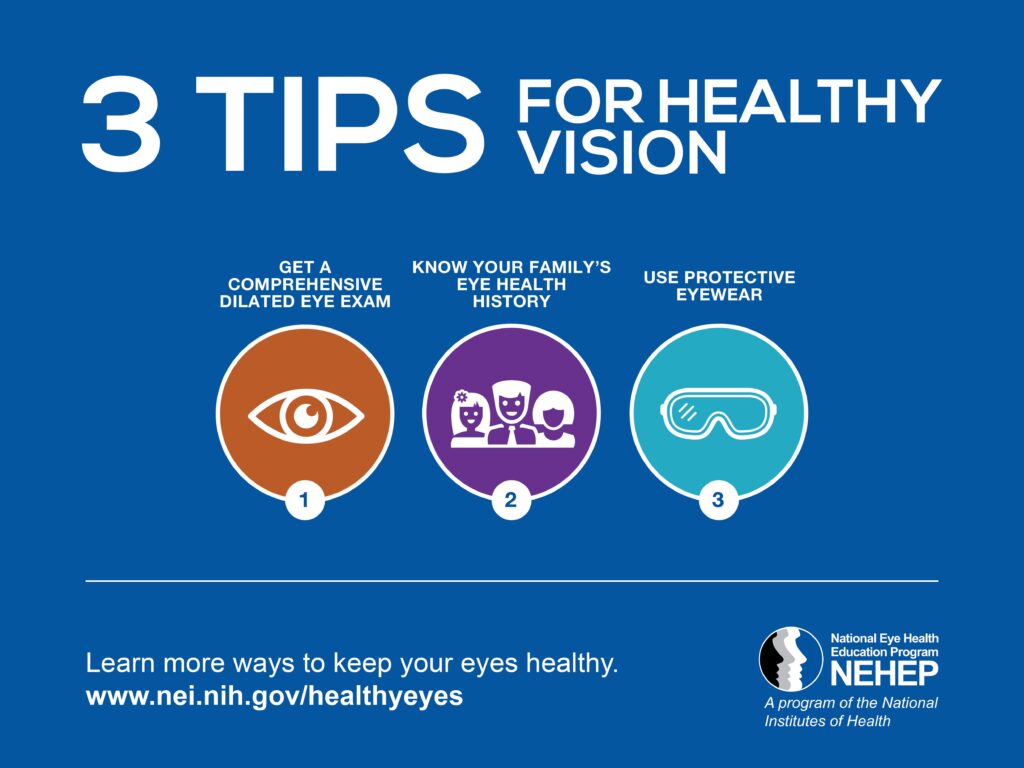
Other ways you can protect your vision can be:
- Eating a balanced diet including dark, leafy greens and fish high in omega-3 fatty acids
- Maintaining a healthy weight
- Stop smoking
- Keeping your diabetes under control
- Wearing sunglasses and a brimmed hat outdoors
- Wearing protective eyewear if needed for work or activities
- Knowing your family’s eye health history and sharing it with your provider
If you have one of the low vision problems discussed, be sure your eye doctor is familiar with low vision issues. They will help get you connected with specialists and services that are best able to help you adapt to your vision loss and still maintain your independence.
Having low vision does not mean you need to lose your independence. There are vision rehabilitation programs that offer a wide range of services. These services include training for magnifying and adaptive devices, ways to complete activities of daily living (ADLs) safely and independently, guidance on home modifications, and information on where to locate resources and support to help you cope with your vision loss.
Watch this short video which shows you how vision rehabilitation can help you continue to enjoy life and live on your own.
At VITALity, we can help get you connected with programs and services like these in your local community. For more information on how we can help get you connected please call 1-888-268-4825. Until next time, stay healthy, safe, and well.