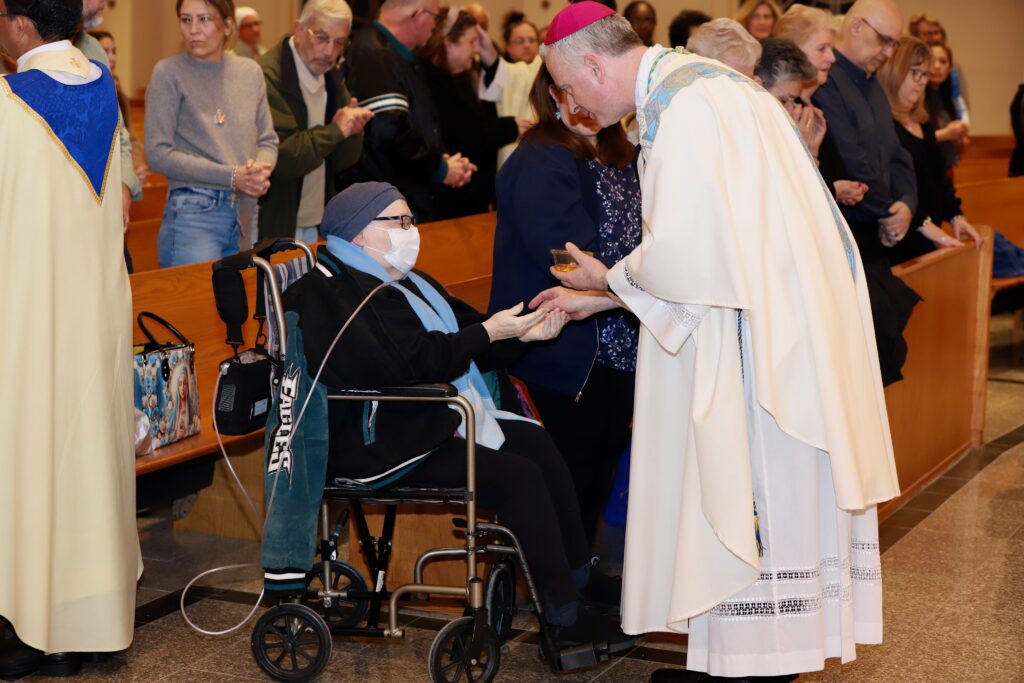

As we age our bodies metabolism changes. This change along with other age-related changes cause our bodies to be more sensitive to cold weather which can put a person at higher risk of developing hypothermia. Hypothermia is when a person’s body temperature is below 95 degrees. Unfortunately, as we age our bodies have a more difficult time being able to detect when our body temperature is low. This makes it vital to be mindful of when the temperatures are very low and take certain steps to take care of ourselves.
Tips to prevent hypothermia
- Avoid being outdoors when temperatures are very low; if you have to be outside be sure it is for short amounts of time.
- Keep your thermostat set to at least 65 degrees.
- Be sure to wear two or three thin layers of loose-fitting clothing and a hat and gloves when you are outside.
- Know the signs of hypothermia which are: a lot of shivering, cold, pale skin; feeling weak, tired or lethargic or confused and drowsy; difficulty walking and slowed heart rate or breathing.
The very cold temperatures also create a higher risk for developing frostbite. Frostbite occurs after prolonged exposure to cold temperatures of body parts such as fingers, toes, nose and other facial parts. It damages the skin in those areas and can sometimes go down to the bone and result in loss of limbs. While very rarely does this occur, it’s important to understand how to prevent this from happening.
Tips to prevent frostbite
- Be sure to wear a hat, gloves and scarf when you go outside to protect your hands and face which are more prone to frostbite.
- If you notice your areas of your skin turning red, dark or they begin to hurt from coldness, be sure to get inside right away.
- Know the signs of frostbite which are: white, grayish-yellow, or ashy skin color and numbness and skin that feels waxy or hard. If you notice any of these contact your healthcare provider or seek medical attention right away because frostbite that isn’t treated properly can result in loss of limbs.
Tips to avoid falling or slipping on icy surfaces
Falls can occur very easily in the winter months especially when there is ice or snow on the ground. It’s important to take extra precautions to lower your risk of falling. Here are some tips to avoid falls during the winter months:
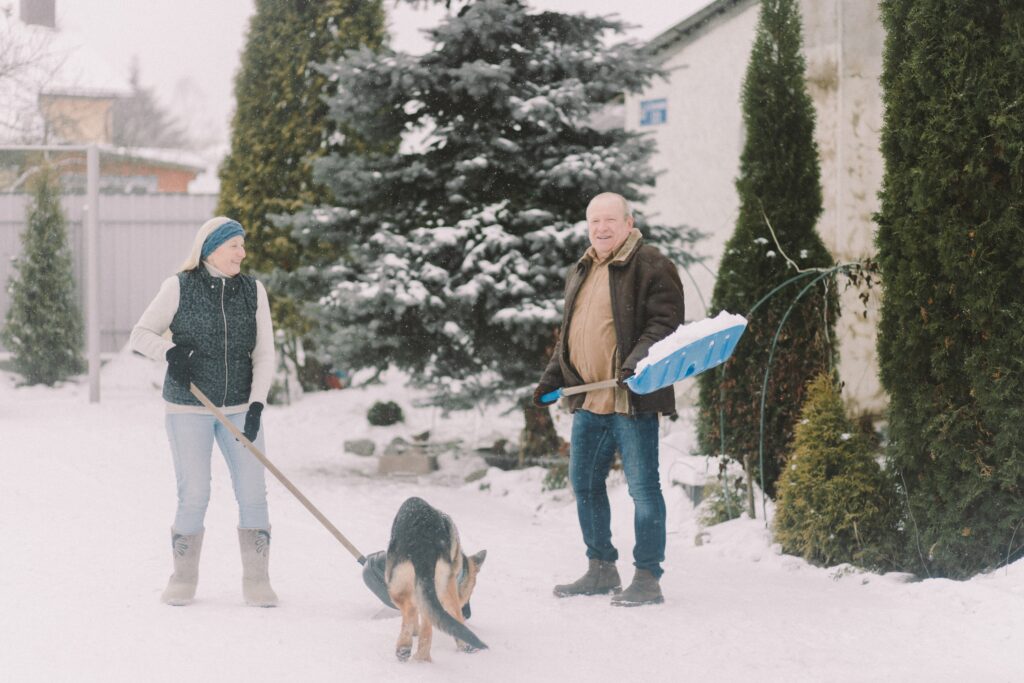
- Be sure to clear walkways and steps fully or hire someone who can help you do it when there is ice or snow.
- Don’t walk on untreated sidewalks and make sure you stay where sidewalks are clear, dry and have been treated.
- Be sure to wear shoes or boots that have non-skid soles so you don’t slip.
- Try to walk in areas where there is good lighting so you can see if there is any ice especially in parking lots and driveways.
If you do fall, do not stand up or panic.
- Take a few slow, deep breaths and see if you are hurt.
- Try to have your cell phone on you at all times and call someone who can come help you.
- If you are not hurt, try to get to something hard that doesn’t move like a bench or stool, and use that to help raise yourself up off the ground.
- Whatever you do, make sure you tell your provider or a family member that you fell.
While the winter months can bring beautiful scenery when it’s snowy and cold, it’s important that you be mindful of the topics we discussed and other weather-related emergencies.
If you have any questions related to this month’s Health Notes, please feel free to reach out to us at VITALity Catholic Healthcare Services at 1-888-268-VITALity. Until next time, stay healthy, safe and warm!