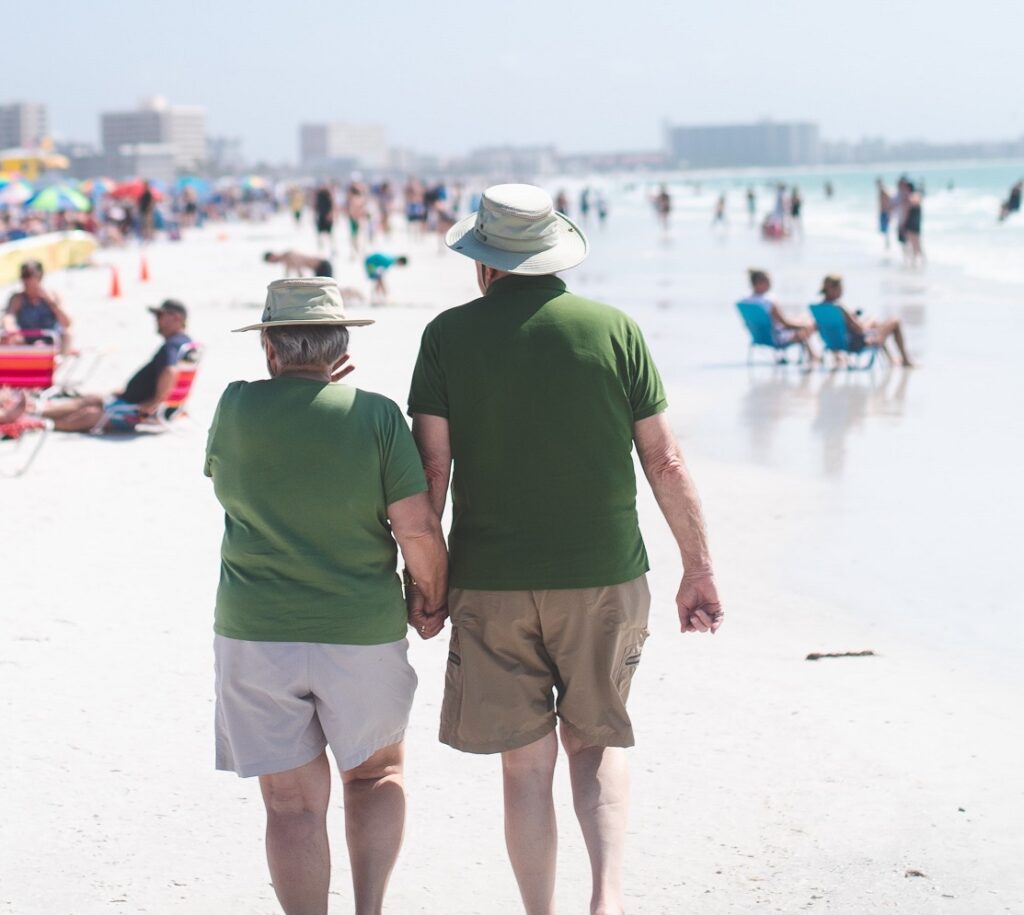
Summer creates great opportunities for getting outside and having fun! Barbeques, beach trips and picnics are all social events we can enjoy outdoors that also provide opportunities for exercise and social interaction.
These are all great ways to help our overall health as well our mental health! While spending time outdoors during the summer months can provide us a lot of benefits, it’s also important to be aware of added stress it can place on our bodies. This month we are discussing summer safety and dangers associated with the heat.
What is a heat related illness?
Intense heat can place added stress on both our bodies and brains therefore causing illness. Hyperthermia occurs when we are exposed to too much heat. Mild hyperthermia can cause discomfort, like muscle cramps or swelling in the ankles and feet.
Another heat related illness is heat exhaustion. It is more serious than hyperthermia and occurs when our body can no longer keep itself cool. You may start to feel dizzy or nauseated but additional symptoms can include feeling thirsty, weak, or uncoordinated.
The most extreme form of hyperthermia is a heat stroke. It’s important to note that Heat stroke is a life-threatening emergency and it’s vital a person seek medical help right away if they are experiencing any symptoms. Symptoms of heat stroke can include: fainting or having trouble walking, confusion or agitation as well feeling extremely hot but not sweating or having dry, flushed skin.
Who is at risk for heat related illnesses?
Certain populations are at greater risk for heat related illness. These include: infants and young children, and those with certain health conditions, such as heart, lung, or kidney disease. Older adults however, are the most heat sensitive population. This is because the body’s ability to cool itself, also known as regulating your temperature, changes as we age. This makes it difficult for our bodies to acclimate to extreme temperature changes whether hot or cold.
Why are older adults at higher risk for heat related illness?
There are two main ways our bodies regulate temperature. One is increasing how much blood flows to the skin. The other is how much we sweat. Unfortunately, as we age, neither of these works as well. That makes it more difficult for our bodies to know when to cool off. Research has shown that sitting in front of a fan increased older adults’ body temperature in extreme heat. That’s because they weren’t sufficiently sweating when the hot air was blowing over their skin. This suggests that older adults may need to use other ways to keep cool, such as going to a place that has air conditioning and staying there especially during peak sun hours between 10 a.m. – 2 p.m. each day.

How to avoid heat related illness:
Excessive heat is not safe for anyone. This is one reason why it’s very important that if a person is outside in the heat they bring water with them to drink. Staying hydrated is essential. It’s also one of the best ways to avoid other heat related illnesses such as hyperthermia or heat exhaustion. It’s important to note that the best time to exercise outdoors is during non-peak hours. Waiting until later in the day or early in the mornings are the best times to exercise outdoors and always with a water bottle!
Shade is another way to avoid heat related illnesses. Finding shade while outdoors, wearing a hat or taking breaks indoors are other ways to avoid excessive heat. If you need to be outdoors during peak hours or when it’s very hot, do your best to take breaks in an air-conditioned room. Being indoors helps our core temperature come down. When we don’t take breaks indoors, our body temperature continues to climb which is dangerous and puts us at higher risk for hyperthermia and heat stroke.
If you start to feel sick while out in the sun, it’s imperative you get out of the sun immediately. Find a cool place to rest and drink lots of water. If the symptoms don’t go away or if you are experiencing the symptoms of heat stroke call 911.

Are there any other heat related issues to be aware of?
While heat related illness is an important hazard, especially during the summer months, it’s not the only danger. The sun can damage our eyes and skin as well. That means wearing a hat or clothing with SPF in it as well as sunglasses is also important. Skin cancer and damage to our eyes are also important medical issues we must take steps to prevent.
We hope this information was helpful and informative. If you would like additional information about heat related illnesses or other summer safety tips, please reach out to us. Until next time, stay safe and well!