This month we are talking about a very important topic that has been dominating the news recently. The topic is mental health. While we hear the term, mental health used frequently what we don’t hear is how frequently there are stigmas in mental health. These stigmas mean that we need to bring more awareness to mental health and all it means. In this month’s issue we will discuss what mental health is, why it’s important, how we know if we need help dealing with mental health issues and some strategies that can help.
What is mental health?
Mental health refers to our overall well-being and affects how a person feels, thinks or behaves. It can change as we age and go through life stages and it also can help determine how we manage stress and interact with others including family and friends. Mental health differs from mental illness. Mental illnesses are conditions that affect how a person’s overall well-being, including how they feel, think or behave. Mental illness can be chronic or intermittent and can affect an individual’s ability to function every day.
Why is mental health important?
Mental health is important because it can affect our physical and overall health. Certain mental illnesses, for example depression, can place individual’s at higher risk for physical health problems. Chronic diseases such as type 2 diabetes and heart disease when associated with mental illness can place an individual at higher risk of poor overall health outcomes. That is why it is important to manage both your physical and mental health illnesses.
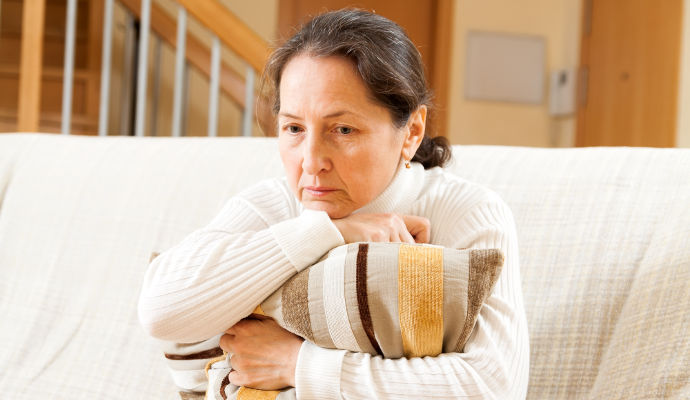
How do I know if I or someone I love needs help with mental health issues?
During this pandemic, almost everyone has seen an increased level of stress and anxiety which both can lead to poor mental health. New guidelines to socially distance ourselves and wear face masks can also contribute to greater feelings of loneliness and isolation. That is why it is important to know things to look for that can impact our mental health.
Below are some signs to be aware of:
- Changes in sleep patterns. Sleeping too much, not getting enough sleep or waking frequently from sleeping can be signs of stress and poor mental health.
- Changes in daily eating patterns, whether it be eating more or eating less. Choosing poor meal choices such as takeout or foods with higher salt, sugar and carbohydrates content.
- Having a hard time concentrating when you previously were not having difficulty. Having to think hard to recall things such as dates, names and what you were doing. While occasional forgetfulness is normal, try to be mindful if you are forgetting more than you are remembering.
- Being fearful and constantly worrying about health, finances and loss for yourself or others can be harmful to your mental health as well.
- Chronic health or mental health problems getting worse can also be a result of stress. If you have diabetes, how have your blood sugars been? Are they on the higher side? For those with high blood pressure, how has your blood pressure been? When was the last time you took your blood pressure at home? Was the number high? Have you noticed any new symptoms about your health that weren’t there before?
- Increased alcohol and tobacco usage are other indicators of stress that can affect your mental health.
Ways to help ourselves and others:
Being aware of what to look for is the first step to help ourselves and others. Mindfulness of how we are behaving and treating others is a good indicator of our own mental health. Here are some tips for staying mentally healthy and coping with stress:
- Take care of your emotional health. If this means saying no to helping others right now, then that is ok. Taking on too much when we are stressed can have negative effects on our health.
- Be mindful not to pay too much attention the media. Watching too much television, reading too many newspapers and listening to news can be overwhelming and consuming for our bodies. Consider setting a time limit on how much and what news you want to listen to.
- Don’t forget about your body! Regular exercise, eating healthy balanced meals and adequate sleep all contribute to overall mental health.
- Limit alcohol usage as this can contribute to altering our moods, behaviors and decision making.
- Connect with friends that you know and trust via phone, internet or socially distanced visits and outdoors.
- Consider reattending mass or other faith-based community activities as you are comfortable and meeting socially distanced guidelines. All of our parishes here in the Diocese of Camden are working hard to maintain the safety of all our parish community members.
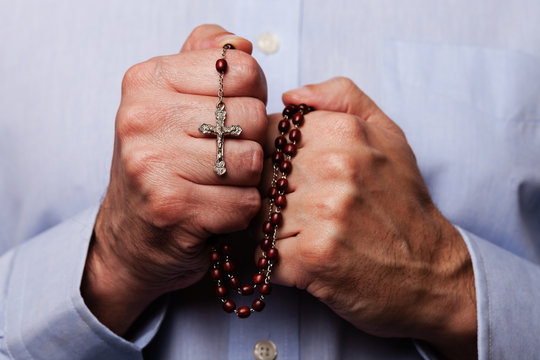
- Count to ten or say a prayer! Studies show that taking a few deep breaths or praying and meditating can help reduce anxiety and stress which can improve overall mental health.
If you are reading this and find that you are frequently more irritable or exhibiting signs of stress or poor mental health, consider contacting your provider and asking for guidance. You may consider contacting the NJ mental health hotline at 1-866-202-HELP (4357). The most important thing about mental health is not ignoring it. Similar to high blood pressure and high blood sugars, it will not go away on its own and could lead to more serious mental illness consequences. The best way to maintain good mental health is to know how to recognize when we are not mentally well and speak up! Until next time, stay healthy, safe and well!