
When you’re feeling anxious or stressed, these strategies will help you cope:
- . Take a time-out. Listen to music, meditate, get a massage, or learn relaxation techniques. Stepping back from the problem helps clear your head. Prayer and the Rosary provide a calming focus.
- . Eat well-balanced meals. Do not skip any meals. Do keep healthful, energy-boosting snacks on hand. Avoid concentrated sugars which could cause rapid fluctuations in blood sugars levels leading to mood swings.
- . Limit alcohol and caffeine, which can aggravate anxiety and trigger panic attacks.
- . Get enough sleep. When stressed, your body needs additional sleep and rest.
- . Exercise daily to help you feel good and maintain your health.
- . Take deep breaths. Inhale and exhale slowly.
- . Count to 10 slowly. Repeat, and count to 20 if necessary.
- . Do your best. Instead of aiming for perfection, which isn’t possible, be proud of however close you get.
- . Accept that you cannot control everything. Put your stress in perspective: Is it really as bad as you think?
- . Welcome humor. A good laugh goes a long way.
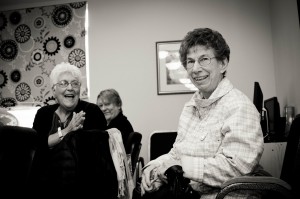

- . Maintain a positive attitude. Make an effort to replace negative thoughts with positive ones.
- . Get involved. Volunteer or find another way to be active in your community, which creates a support network and gives you a break from everyday stress.
- . Learn what triggers your anxiety. Is it work, family, school, or something else you can identify? Write in a journal when you’re feeling stressed or anxious, and look for a pattern.
- . Talk to someone. Tell friends and family you’re feeling overwhelmed, and let them know how they can help you. Talk to a physician or therapist for professional help.

Fitness Tips: Stay Healthy, Manage Stress
For the biggest benefits of exercise, try to include at least 2 1/2 hours of moderate-intensity physical activity (i.e. brisk walking) each week, 1 1/4 hours of vigorous-intensity activity (such as jogging or swimming laps), or a combination of the two.
- . 5x 30: Jog, walk, bike, or dance three to five times a week for 30 minutes.
- . Set small daily goals and aim for daily consistency rather than perfect workouts. It’s better to walk every day for 15 – 20 minutes than to wait until the weekend for a three-hour fitness marathon. Lots of scientific data suggests that frequency is most important.
- . Find forms of exercise that are fun or enjoyable. Extroverted people often like classes and group activities. People who are more introverted often prefer solo pursuits.